History
View all in History
ANIOMA ETHNIC IDENTITY II
By FAVOUR OBIRINMA NWANNE on December 22, 2025
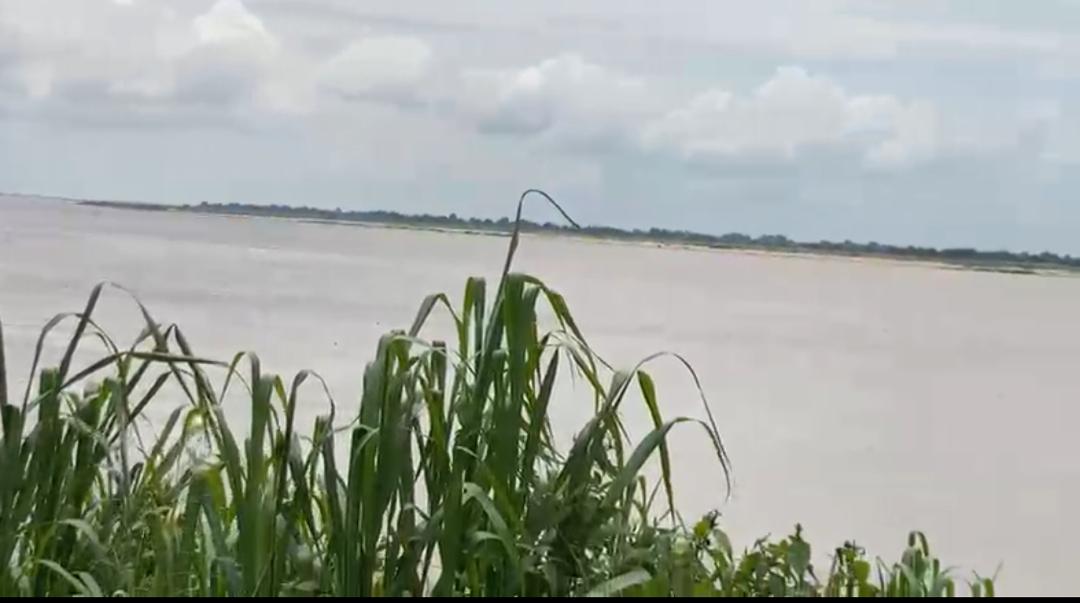
Unlike the centralized origin stories of Ogwashi-Uku, Ogboli or Igbuzo, Ahaba reflects a tapestry
of migrations. One of the first known settler, Ezeanyanwu, according to oral records, likely crossed the
Niger in search of fertile land and elephant tusks, which was highly valued in ancient trade
networks. In another account from late Chief Dennis Osadebay, Nnebisi, the founder of Ahaba
was from Nteje which was founded by Eri, son of Achado—an Igala king. Ahaba welcomed more
newcomers with farmland, marriage alliances, and integration into its growing community. Nkwo,
a foreigner believed to be an Ishan man, married Onyebuchi, a local woman, and founded the
Umunkwo quarter. Others founded the Ogbe-Ochele and Umuonaje quarters, each reflecting a
unique lineage. Some, however, faced cultural limitations—like being barred from producing
certain ritual leaders (like the diokpa) due to their outsider status. Still, Ahaba thrived, offering a
model of what one might call “disjointed migration”—multiple settlements converging into one
diverse, yet united, community.
Another intriguing origin is that of Ubulu-Ukwu, said to have been founded by migrants from Afor
in the Kwale district. Brothers Ezemu and Aniobodo disagreed over rulership in Ubulu-Uno,
prompting Ezemu to move north and found Ubulu-Ukwu. Though rooted in Igbo traditions, Ubulu
Ukwu absorbed several political titles and practices from Benin—titles like Onishe, Iyase, and
Ojuma which further affirms the Benin influence on the Anioma people. Yet the people proudly
maintained their independence. As one elder put it:
“Our Kings have never been crowned by the Obas of Benin… we were never compelled to
obtain permission from them before we did anything.”
This reflects the diplomatic agility of many Anioma communities who have come under different
influences— being able to borrow from others without losing their core identity.
For the Ika people, two origin stories run side by side. First, the Ika people occupy two local
governments in Delta state; Ika North East and Ika South. Ika North East is run by the monarch
titled the "Obi of Owa" while the Dein of Agbor is the monarchical head of Agbor and Abavo, the
two kingdoms under Ika South. Oral records of these two local governments reflect diverse origin
stories of the Ika people but despite this, both the Benin and the Igbo origin story are acknowledged
in the history of Ika people. The Dein title is often traced to a Prince of Benin and the son of Oba
Ewedo, left his home to find a new town in the 13th century. Some records state that when he
arrived at the present day Agbor, he was met with only water. His father, the Oba of Benin, then
sent across a substance to his son through Ojeifa to drop into the water before it transformed into
land. A solid corroboration to this claim is the fact that Chief Ojeifa , to this day in Agbor
Kingdom, is still regarded as the purifier of the land. The Igbo origin story of Ika land derives
from the founding of towns like Ibusa which traces its origin to the ancient Nri kingdom.
According to oral sources, after Ani-Udo had founded Ibusa and his brother, Odaigbo founded
Ogwashi-Uku, they continued to expand and found other communities, including Ika land.
According to oral historians, these towns were founded long before contact with the Benins.
Historians such as Uwakina assert that the influence of the Benin in Anioma land, especially in
Ika can also be a result of the proximity of Benin and the influence of the ancient Benin empire in
the area. Despite strong historical accounts that link the origin of Ika land to the Benins, Iyeke, a
historian who regards the Anioma people as "the Ibo of the West Niger," firmly places the Ika
people as having an Igbo origin because of language. He states that the mutual intelligibility of
most Anioma languages and Igbo languages reflect a deeper relationship between both groups.
While one cannot deny the Benin influence in Anioma land, several historians have asserted that
the strong Benin empire might have had influence over its neighbours due to different forms of
suppression.
Obiarukwu and the Umu Akashiada Confederacy
Obiarukwu, one of the most significant Ukwuani towns in Anioma, is deeply connected to the
Umu Akashiada Confederacy, which includes other communities such as Umusume, Okuzu,
Umuedede, Umuebu, Ezionum, and Eziokpo. Oral traditions suggest that these groups were among
the most recent settlers in Anioma, migrating in waves and often settling within already established
Anioma communities such as Aboh, Onitsha, and Ubulu-Ukwu. The Akashiada Confederacy was
not merely political but it was also spiritual. At the heart of its unity was a shared ancestral figure:
Akashiada, to whom sacrifices were offered annually. The custodians of this tradition were elders
from Eziokpo, who controlled access to the shrines and led the confederacy’s major rituals. For
example, the Ichi-okpala ritual was supervised by the okpala ukwu (senior elder) of Eziokpo.
There are some disputes among oral historians about the origins of Obiarukwu’s first settlers. One
view holds that they were migrants from Okuzu, a community in eastern Igboland. After settling
briefly at Aboh, they moved to Umuebu, then further inland to Obiarukwu—drawn by its fertile
land and abundant water sources.
The Okuzu quarters formed the nucleus of early Obiarukwu, but over time, relatives and kin from
other locations, such as Aboh, joined them. Later migrations from Umuebu added new lineages,
leading to a broader, more diverse population. The entire confederacy, despite their varied
migration paths, shared one thing in common: their rituals and governance systems were Igbo in
character. Their observance of Ifejioku (yam-cutting festivals), communal decision-making, and
absence of centralized monarchs further emphasized their Igbo heritage.
Another compelling migration tale is that of Abbi, said to be founded by an Igbo hunter named
Amacha from Achala in eastern Igboland. Like many others, he crossed the Niger during a hunting
expedition and decided to stay. His first stop was Aboh, where he was welcomed by locals who
spoke his language.
After several years and fathering children—including Ogwazi, Aninta, and Okolo—Amacha
moved further inland, passing through Umuolu, Ashaka, and Utchi before settling at the present
day site of Abbi. The town’s name, Abbi, is a shortened form of the Igbo phrase kanyi bili nebene,
meaning “let us settle here (after much wandering)”. Amacha’s descendants, along with those of
Udu (a settler from Ubulu-Ukwu), formed the major lineages of Abbi, including Elovie, Umia,
and Okwere. Over time, smaller settlements developed on the outskirts, further expanding the town
to what it is today.
Conclusion
The Anioma people represent a diverse cultural group in the heart of the Delta and continue to
forge ahead in cultural unity. Often subsumed under larger ethnic identities, the people of Anioma
have maintained a distinct cultural and historical identity. Migration and settlements are core
aspects of the origin of the Anioma people and has influenced its cultural reality even till this day
as most Anioma community trace their origin to the Benins, Igalas and/or the Igbos. Anioma's rich history
and societal reality continue to serve as a road map of cultural resilience through different historical
periods. While it is natural to align ourselves with major ethnic groups we feel a sense of affinity with, it is far more imperative to embrace our own ethnic uniqueness, appreciate the cultural multiplicity that defines us, and look forward to making Anioma land great again.
of migrations. One of the first known settler, Ezeanyanwu, according to oral records, likely crossed the
Niger in search of fertile land and elephant tusks, which was highly valued in ancient trade
networks. In another account from late Chief Dennis Osadebay, Nnebisi, the founder of Ahaba
was from Nteje which was founded by Eri, son of Achado—an Igala king. Ahaba welcomed more
newcomers with farmland, marriage alliances, and integration into its growing community. Nkwo,
a foreigner believed to be an Ishan man, married Onyebuchi, a local woman, and founded the
Umunkwo quarter. Others founded the Ogbe-Ochele and Umuonaje quarters, each reflecting a
unique lineage. Some, however, faced cultural limitations—like being barred from producing
certain ritual leaders (like the diokpa) due to their outsider status. Still, Ahaba thrived, offering a
model of what one might call “disjointed migration”—multiple settlements converging into one
diverse, yet united, community.
Another intriguing origin is that of Ubulu-Ukwu, said to have been founded by migrants from Afor
in the Kwale district. Brothers Ezemu and Aniobodo disagreed over rulership in Ubulu-Uno,
prompting Ezemu to move north and found Ubulu-Ukwu. Though rooted in Igbo traditions, Ubulu
Ukwu absorbed several political titles and practices from Benin—titles like Onishe, Iyase, and
Ojuma which further affirms the Benin influence on the Anioma people. Yet the people proudly
maintained their independence. As one elder put it:
“Our Kings have never been crowned by the Obas of Benin… we were never compelled to
obtain permission from them before we did anything.”
This reflects the diplomatic agility of many Anioma communities who have come under different
influences— being able to borrow from others without losing their core identity.
For the Ika people, two origin stories run side by side. First, the Ika people occupy two local
governments in Delta state; Ika North East and Ika South. Ika North East is run by the monarch
titled the "Obi of Owa" while the Dein of Agbor is the monarchical head of Agbor and Abavo, the
two kingdoms under Ika South. Oral records of these two local governments reflect diverse origin
stories of the Ika people but despite this, both the Benin and the Igbo origin story are acknowledged
in the history of Ika people. The Dein title is often traced to a Prince of Benin and the son of Oba
Ewedo, left his home to find a new town in the 13th century. Some records state that when he
arrived at the present day Agbor, he was met with only water. His father, the Oba of Benin, then
sent across a substance to his son through Ojeifa to drop into the water before it transformed into
land. A solid corroboration to this claim is the fact that Chief Ojeifa , to this day in Agbor
Kingdom, is still regarded as the purifier of the land. The Igbo origin story of Ika land derives
from the founding of towns like Ibusa which traces its origin to the ancient Nri kingdom.
According to oral sources, after Ani-Udo had founded Ibusa and his brother, Odaigbo founded
Ogwashi-Uku, they continued to expand and found other communities, including Ika land.
According to oral historians, these towns were founded long before contact with the Benins.
Historians such as Uwakina assert that the influence of the Benin in Anioma land, especially in
Ika can also be a result of the proximity of Benin and the influence of the ancient Benin empire in
the area. Despite strong historical accounts that link the origin of Ika land to the Benins, Iyeke, a
historian who regards the Anioma people as "the Ibo of the West Niger," firmly places the Ika
people as having an Igbo origin because of language. He states that the mutual intelligibility of
most Anioma languages and Igbo languages reflect a deeper relationship between both groups.
While one cannot deny the Benin influence in Anioma land, several historians have asserted that
the strong Benin empire might have had influence over its neighbours due to different forms of
suppression.
Obiarukwu and the Umu Akashiada Confederacy
Obiarukwu, one of the most significant Ukwuani towns in Anioma, is deeply connected to the
Umu Akashiada Confederacy, which includes other communities such as Umusume, Okuzu,
Umuedede, Umuebu, Ezionum, and Eziokpo. Oral traditions suggest that these groups were among
the most recent settlers in Anioma, migrating in waves and often settling within already established
Anioma communities such as Aboh, Onitsha, and Ubulu-Ukwu. The Akashiada Confederacy was
not merely political but it was also spiritual. At the heart of its unity was a shared ancestral figure:
Akashiada, to whom sacrifices were offered annually. The custodians of this tradition were elders
from Eziokpo, who controlled access to the shrines and led the confederacy’s major rituals. For
example, the Ichi-okpala ritual was supervised by the okpala ukwu (senior elder) of Eziokpo.
There are some disputes among oral historians about the origins of Obiarukwu’s first settlers. One
view holds that they were migrants from Okuzu, a community in eastern Igboland. After settling
briefly at Aboh, they moved to Umuebu, then further inland to Obiarukwu—drawn by its fertile
land and abundant water sources.
The Okuzu quarters formed the nucleus of early Obiarukwu, but over time, relatives and kin from
other locations, such as Aboh, joined them. Later migrations from Umuebu added new lineages,
leading to a broader, more diverse population. The entire confederacy, despite their varied
migration paths, shared one thing in common: their rituals and governance systems were Igbo in
character. Their observance of Ifejioku (yam-cutting festivals), communal decision-making, and
absence of centralized monarchs further emphasized their Igbo heritage.
Another compelling migration tale is that of Abbi, said to be founded by an Igbo hunter named
Amacha from Achala in eastern Igboland. Like many others, he crossed the Niger during a hunting
expedition and decided to stay. His first stop was Aboh, where he was welcomed by locals who
spoke his language.
After several years and fathering children—including Ogwazi, Aninta, and Okolo—Amacha
moved further inland, passing through Umuolu, Ashaka, and Utchi before settling at the present
day site of Abbi. The town’s name, Abbi, is a shortened form of the Igbo phrase kanyi bili nebene,
meaning “let us settle here (after much wandering)”. Amacha’s descendants, along with those of
Udu (a settler from Ubulu-Ukwu), formed the major lineages of Abbi, including Elovie, Umia,
and Okwere. Over time, smaller settlements developed on the outskirts, further expanding the town
to what it is today.
Conclusion
The Anioma people represent a diverse cultural group in the heart of the Delta and continue to
forge ahead in cultural unity. Often subsumed under larger ethnic identities, the people of Anioma
have maintained a distinct cultural and historical identity. Migration and settlements are core
aspects of the origin of the Anioma people and has influenced its cultural reality even till this day
as most Anioma community trace their origin to the Benins, Igalas and/or the Igbos. Anioma's rich history
and societal reality continue to serve as a road map of cultural resilience through different historical
periods. While it is natural to align ourselves with major ethnic groups we feel a sense of affinity with, it is far more imperative to embrace our own ethnic uniqueness, appreciate the cultural multiplicity that defines us, and look forward to making Anioma land great again.
FAVOUR OBIRINMA NWANNE
Published Writer, Editor and Lecturer
Great great content
3 weeks, 2 days ago